
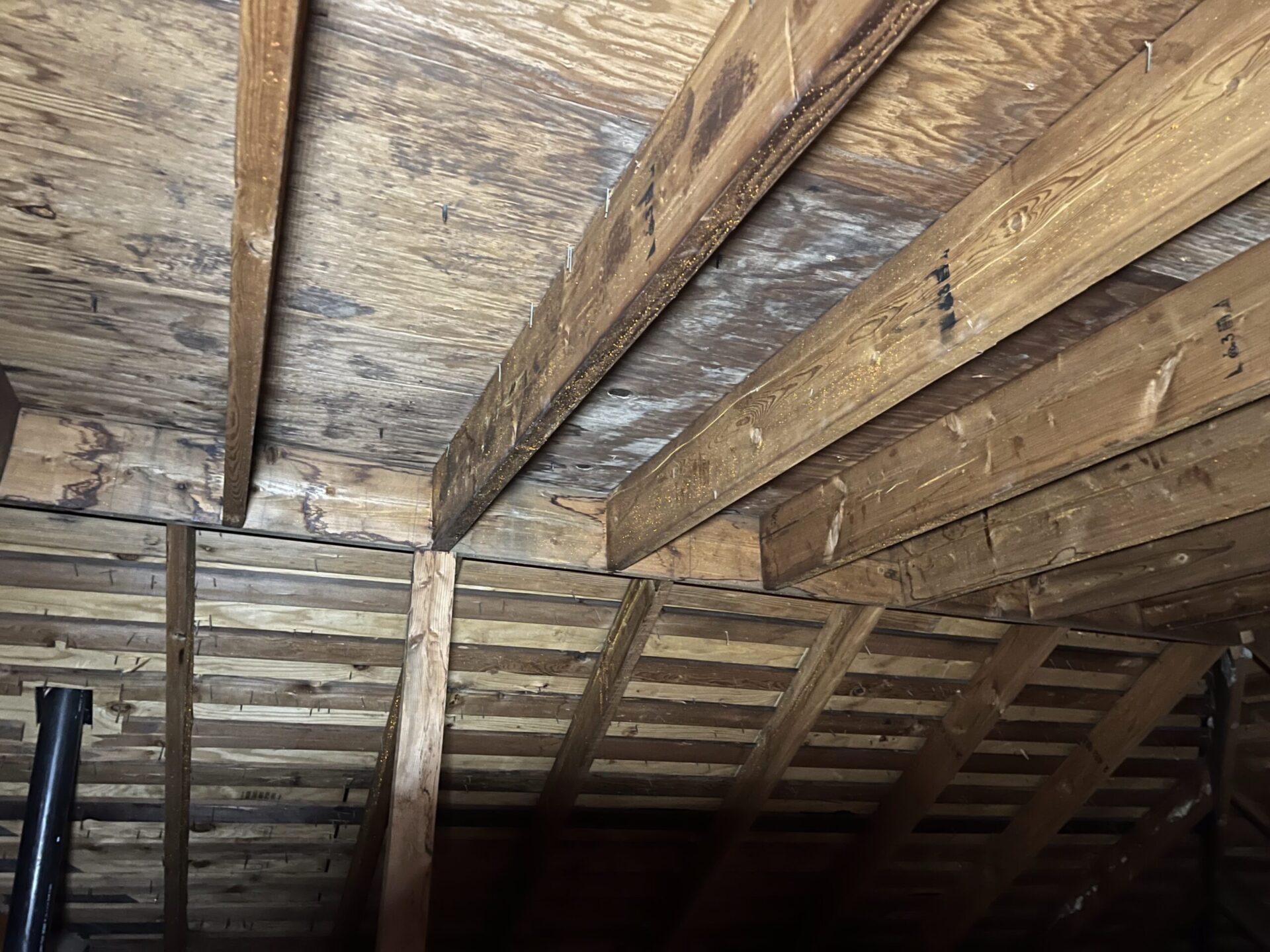
Discovering mold in your home can be alarming. You’ve probably heard warnings about health effects, property damage, and the complexity of mold removal. Understanding what professional mold remediation involves can help ease your concerns and ensure you choose the right restoration company for the job.
Here’s a detailed look at what happens during professional mold remediation:
Step 1: Initial Inspection and Assessment
Professional mold remediation begins with a thorough inspection. A certified mold inspector examines your entire property, not just the obvious mold growth. They use moisture meters, thermal imaging cameras, and visual inspection to locate all affected areas.
The inspector identifies the type of mold present, the extent of contamination, and – most importantly – the moisture source feeding the mold growth. Without addressing the underlying moisture problem, mold will return even after remediation.
You’ll receive a detailed report explaining what was found, what areas require remediation, and recommendations for preventing future mold problems. This assessment forms the basis for the remediation plan and cost estimate.
Step 2: Containment and Air Filtration
Before any mold removal begins, the affected area must be isolated to prevent mold spores from spreading throughout your home. Professional containment involves:
Physical barriers using heavy plastic sheeting to seal off the work area from the rest of your home. All doorways, vents, and openings are sealed.
Negative air pressure systems using commercial air scrubbers with HEPA filters. These machines create negative pressure in the containment area, ensuring that air (and mold spores) flows into the work area rather than out of it.
Air filtration running continuously throughout the project. HEPA filters capture 99.97% of airborne particles, including mold spores, preventing them from spreading to clean areas.
Step 3: Mold Removal and Cleaning
The actual mold removal process varies depending on what’s contaminated:
Non-porous materials like metal, glass, and plastic can usually be cleaned and saved using antimicrobial solutions and proper cleaning techniques.
Porous materials like drywall, insulation, and carpet that have been heavily contaminated typically must be removed and discarded. These materials absorb mold growth deep into their structure and cannot be adequately cleaned.
Semi-porous materials like wood may be cleanable if the mold growth is surface-level, but often require removal if deeply penetrated.
All contaminated materials are bagged within the containment area before being removed from your home. This prevents spores from spreading during disposal.
Step 4: Cleaning and Sanitizing
After removing mold-contaminated materials, all remaining surfaces in the affected area are thoroughly cleaned and treated with antimicrobial solutions. This includes:
HEPA vacuuming all surfaces to capture residual mold spores
Wire brushing and sanding wood surfaces if necessary
Applying antimicrobial and antifungal treatments to prevent regrowth
Cleaning or replacing HVAC filters and cleaning ductwork if needed
Step 5: Moisture Control and Prevention
Remember – mold needs moisture to grow. The remediation team addresses the moisture source by:
Repairing leaks and water intrusion points
Improving ventilation in problem areas
Installing or repairing vapor barriers
Adjusting grading and drainage around your foundation
Recommending dehumidification solutions for humid areas
Without proper moisture control, mold will return regardless of how thorough the remediation was.
Step 6: Restoration and Reconstruction
After remediation and moisture control are complete, the restoration phase begins:
Replacing removed drywall, insulation, and other building materials
Repainting walls and ceilings
Reinstalling baseboards, trim, and fixtures
Ensuring everything matches your home’s existing finish
Many restoration companies, including Heartland Restoration, offer complete reconstruction services so you work with one company from start to finish.
Step 7: Post-Remediation Testing and Clearance
After all work is complete, an independent third-party inspector performs clearance testing to verify that:
Mold levels have returned to normal background levels
The moisture problem has been adequately addressed
The area is safe for normal occupancy
You’ll receive a clearance report documenting that your home meets industry standards for mold levels and is safe for your family.
How Long Does Mold Remediation Take?
The timeline varies based on the extent of contamination:
Small, contained areas (single bathroom): 1-3 days
Medium projects (basement or multiple rooms): 3-7 days
Large or complex projects: 1-2 weeks or more
The process can’t be rushed – proper containment, removal, drying, and testing take time to do correctly.
Working with Your Insurance Company
Many homeowners insurance policies cover mold remediation if the mold resulted from a covered event like a burst pipe. However, mold from neglect or long-term maintenance issues typically isn’t covered.
Professional restoration companies work directly with insurance adjusters, provide detailed documentation, and help maximize your coverage. They understand what insurance companies require and can advocate on your behalf.
Choosing the Right Mold Remediation Company
Look for these qualifications:
IICRC certification in mold remediation
Proper licensing and insurance
References and reviews from past clients
Detailed written estimates
Willingness to answer questions and explain their process
Avoid companies that:
Quote prices without inspecting the property
Pressure you to start work immediately
Can’t provide references or proof of certification
Don’t use proper containment and air filtration
Questions to Ask
Before hiring a mold remediation company, ask:
“Are your technicians IICRC certified?”
“Will you identify and fix the moisture source?”
“What containment procedures do you use?”
“Do you provide post-remediation clearance testing?”
“Can you work directly with my insurance company?”
Final Thoughts
Professional mold remediation isn’t cheap, but it’s an investment in your health and property value. Cutting corners with DIY solutions or unqualified contractors often leads to recurring mold problems that cost more in the long run.
If you suspect mold in your Kansas City home, call Heartland Restoration for a professional assessment. Our certified technicians follow EPA and IICRC protocols to safely remove mold and prevent its return. We explain the entire process upfront, provide detailed estimates, and work with your insurance company to minimize your out-of-pocket costs.
Don’t let mold compromise your family’s health or your home’s value. Call today for your free mold inspection.

