
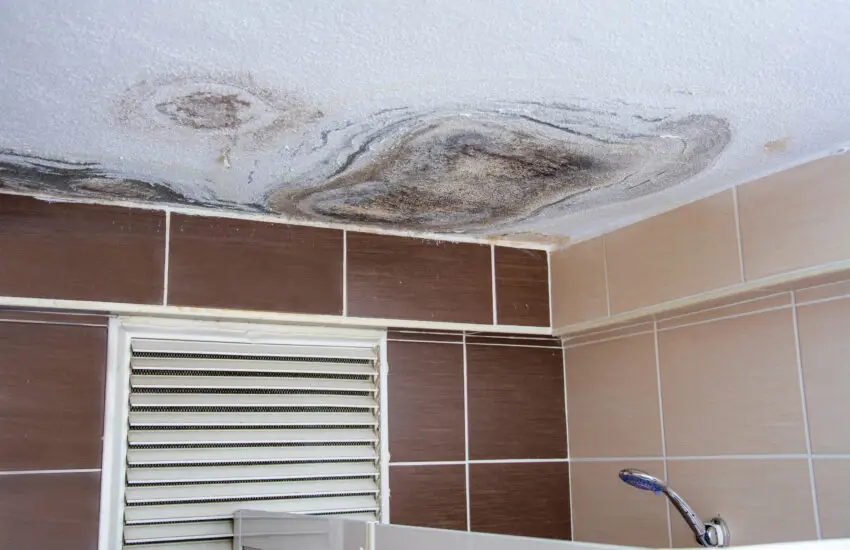
When most people think of mold, they picture big dark patches on walls or ceilings. But in reality, mold often grows quietly out of sight—inside walls, under flooring, or behind cabinets.
At Heartland Restoration, we frequently find mold in homes where the owner had “no idea anything was wrong.” Here are subtle warning signs to watch for.
1. Persistent Musty Odors
A stale, damp, or earthy smell that doesn’t go away—even after cleaning and airing out—can be one of the earliest indicators of mold. You might notice it more:
- In basements or crawlspaces
- Near bathrooms or laundry rooms
- After it rains
If you smell something that reminds you of a damp basement or wet cardboard, it’s time to investigate.
2. Allergy or Respiratory Symptoms at Home
If you or your family members experience:
- Sneezing, coughing, or congestion
- Itchy or watery eyes
- Headaches
- Worsening asthma
…and it seems to improve when you leave the house, mold could be playing a role.
While only a healthcare professional can evaluate symptoms, we can help check if your indoor environment is contributing.
3. Peeling Paint or Bubbling Walls
Moisture behind your walls can cause:
- Paint to bubble or blister
- Drywall to swell or warp
- Stains or yellow/brown discoloration
Where there’s trapped moisture, mold growth often follows. These are clear signals that something may be happening behind the surface.
4. Previous Water Damage That “Seemed Fine”
Did you have:
- A small leak under a sink?
- A washing machine overflow?
- A roof leak during a storm?
If the area wasn’t dried properly—especially inside walls or under flooring—mold may be slowly developing over time. Even minor water events can cause big problems if moisture gets trapped.
5. Condensation and High Humidity
Consistent condensation on windows, pipes, or walls is a sign that humidity is too high indoors. Mold thrives in damp, humid environments.
Common problem areas include:
- Bathrooms without good ventilation
- Basements
- Laundry rooms
- Closets against exterior walls
Managing humidity and ventilation is a key part of mold prevention.
What To Do If You Suspect Mold
- Don’t ignore the signs. Mold usually does not go away on its own.
- Avoid disturbing it. Scrubbing visible growth without containment can spread spores.
- Call a professional. At Heartland Restoration, we can:
Inspect and identify moisture sources
Set up proper containment
Safely remove affected materials
Dry and treat the area to prevent regrowth
Mold problems don’t always start with something dramatic. Often, it’s the small, quiet signs that matter most: odors, subtle stains, or lingering humidity.
If something doesn’t feel right in your home—or you just want peace of mind—Heartland Restoration is here to help you find and fix the problem before it grows.

%20Is%20Scary;%20Can%20You%20Mitigate?&media=https://heartlandflood.com/wp-content/uploads/2024/05/Wet-Ceiling-Mold-Roof-Leak-scaled.webp)