
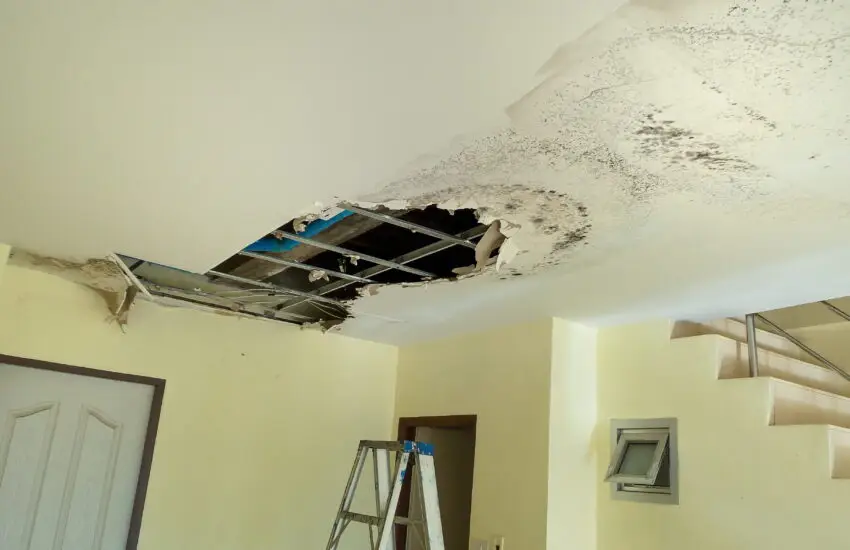
Water damage never feels “small.” Whether it’s a burst pipe, an overflowing washer, or a roof leak after a storm, those first hours are stressful and confusing. At Heartland Restoration, we see this every day—and we also see how the right steps in the first 24 hours can dramatically reduce damage and cost.
1. Put Safety First
Before you worry about belongings, make sure it’s safe to enter the area.
- Turn off electricity to affected areas if you can do so safely.
- Avoid standing water near outlets, cords, or appliances.
- Watch for slippery floors and buckled surfaces.
- If sewage is involved or the water smells bad, stay out and call a professional right away.
If you’re unsure whether it’s safe, don’t guess—leave it and call us.
2. Stop the Source of the Water
You can’t start recovering until the water stops coming in.
- Shut off the main water valve if a pipe burst.
- Turn off appliances (washer, dishwasher) that overflowed.
- If the roof or windows are leaking after a storm, try to catch drips in buckets and protect floors with plastic or towels until help arrives.
If you can’t find the source, our team can help track it down and prevent further damage.
3. Document Everything for Insurance
Before moving too much, take photos and videos of:
- The source of the water
- All affected rooms
- Damaged furniture, flooring, and personal items
This documentation will help when you file an insurance claim. It’s perfectly fine (and often recommended) to call a professional like Heartland Restoration before your insurance company, so we can help guide you through the process.
4. Remove Standing Water (If Safe)
For smaller incidents:
- Use mops, towels, and a wet/dry vac if you have one.
- Move furniture, rugs, and small items out of the wet area.
- Prop up couch cushions and mattresses to help them dry.
For larger amounts of water or deep saturation, DIY tools often aren’t enough. Professional extraction is faster and more thorough, which is critical to prevent mold.
5. Start Drying Immediately
Mold can begin to grow in as little as 24–48 hours in the right conditions.
- Open windows if the weather is dry and not too humid.
- Run fans and dehumidifiers if you have them.
- Avoid cranking the heat—warm, damp air can actually encourage mold.
Our drying equipment is designed to pull moisture from walls, floors, and air much more efficiently than household fans.
6. Watch for Hidden Moisture
Water loves to hide in:
- Wall cavities
- Under baseboards
- Beneath vinyl or laminate flooring
- Inside cabinets and closets
Even if the surface looks dry, materials underneath may still be soaked. At Heartland Restoration, we use moisture meters and thermal imaging to find and dry those hidden pockets before they turn into a mold problem.
7. Call a Professional Restoration Team
You don’t have to handle this alone. A trusted, IICRC-certified team like Heartland Restoration can:
- Extract standing water quickly
- Dry structures and contents properly
- Check for hidden moisture
- Help you navigate insurance
- Restore your home safely, not just “make it look dry”
We’re a family-owned company, which means we treat your home like our own—responding quickly, communicating clearly, and staying until the job is done right.
Final Thoughts
The first 24 hours after water damage are crucial—but you don’t have to be perfect, just proactive. Focus on:
- Safety
- Stopping the source
- Documenting damage
- Starting the drying process
- Calling professionals early
If you’re facing water damage right now, Heartland Restoration is here 24/7 to help you take back control of your home.

