
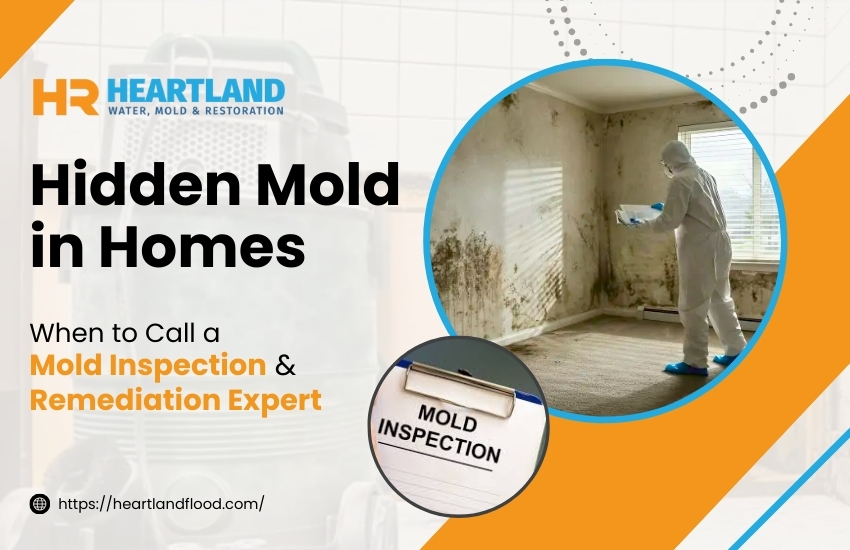
Mold is a common problem for homeowners and business owners across Kansas and Missouri. It usually starts because of moisture. That moisture may come from a leaky pipe, basement dampness, roof damage, flooding, or high humidity that never fully dries out. Once mold starts growing, it can spread faster than most people expect.
It often develops in basements, crawl spaces, behind walls, under flooring, or inside attics with poor airflow. By the time mold is visible, it may already be affecting indoor air and building materials.
This is when contacting a mold removal company and a local mold inspector becomes important. Mold does not usually fix itself, and surface cleaning rarely solves the full problem.
Why is Mold So Common in Kansas & Missouri?
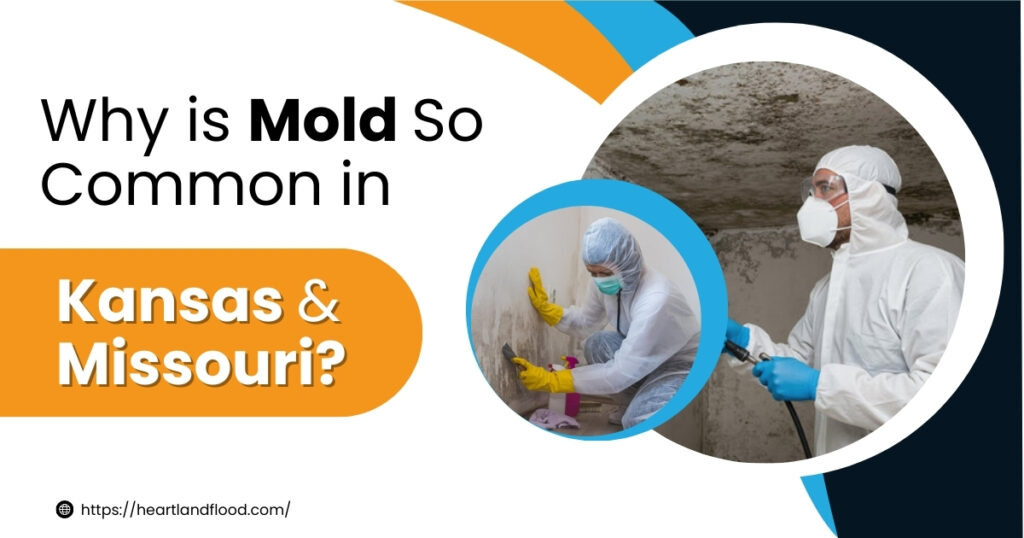
Kansas and Missouri see a mix of humid summers, heavy rain, snow, and sudden storms. All of this adds moisture to homes and buildings. Basements and crawl spaces are especially vulnerable, but bathrooms, kitchens, and laundry areas also see frequent mold issues. Any property that has experienced water damage is at higher risk.
When moisture gets trapped and stays trapped, mold has the chance to grow. If the source of moisture isn’t found and corrected, the problem can continue even after visible mold is removed.
What a Local Mold Inspector Looks For?
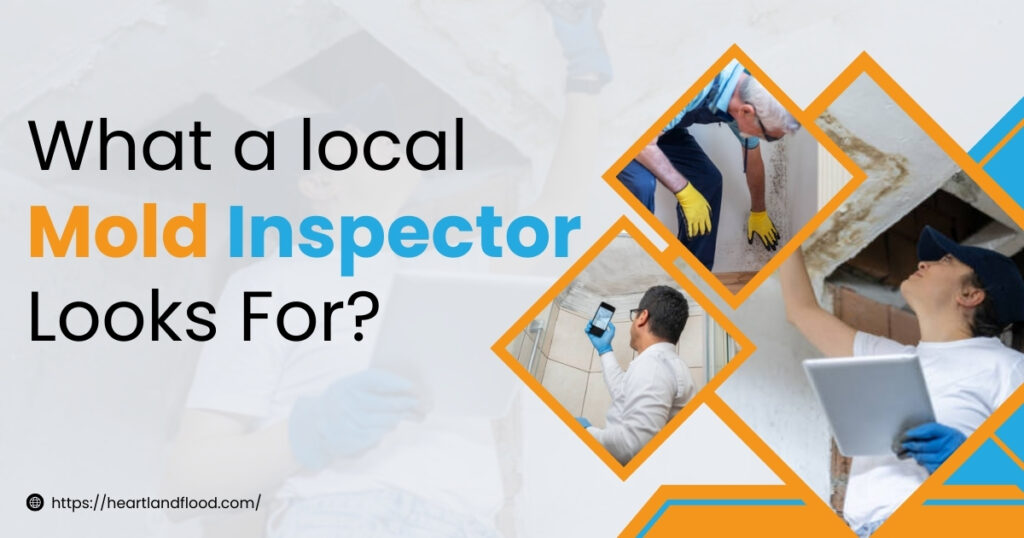
A local mold inspector focuses on finding out where mold is present and what moisture source is causing the growth. The inspector checks for moisture, looks for visible and hidden mold, and identifies areas that may be affected but not obvious.
In some cases, air or surface testing is recommended. In others, visual inspection and moisture readings are enough. It is important to understand how far the mold has spread and what caused it.
Difference Between Mold Inspection and Mold Remediation
| Mold Inspection | Mold Remediation |
| Focuses on finding out if mold is present | Focuses on removing mold from the property |
| Identifies where the mold is located | Removes mold-contaminated materials |
| Looks for the source of moisture causing the problem | Addresses the mold damage and affected areas |
| Involves visual checks, moisture readings, and testing when needed | Uses containment to prevent mold from spreading during cleanup |
| Helps define the size and severity of the issue | Cleans, treats, and restores affected spaces |
| Does not include removal | Includes cleanup and prevention steps |
Choosing the Right Mold Removal Company
Not all mold companies handle jobs the same way, so choose the service carefully. Find mold inspection remediation services that are licensed and insured. Also check the below points:
- Experience with local homes and commercial buildings is important
- Clear communication helps you understand what is happening and why
- Written findings and straightforward explanations should always be provided
- Local experience makes a difference when dealing with Kansas and Missouri properties
- Companies familiar with regional weather and building conditions are better prepared to address mold issues properly
At Heartland Flood,we meet all the above criteria and provide effective solution.
When to Call a Mold Professional?

It is time to call a professional, if you keep noticing a musty smell, mold forming on walls or ceilings, or have had recent flooding or leaks. Peeling paint, warped walls, or family members dealing with constant allergy-like symptoms indoors are also red flags. Mold spreads quietly. Ignoring longer makes it more costly and disruptive the repairs become.
Frequently Asked Questions (FAQs)
Q: How much does mold inspection cost in Kansas and Missouri?
A: Costs typically range from $300–$700, depending on property size and testing requirements.
Q: Are mold removal companies safe for homes with children and pets?
A: Yes. Professional companies use containment systems and safe removal techniques to protect occupants.
Q: Do I need a mold inspection before remediation?
A: Yes. A proper inspection identifies the mold source and ensures complete remediation.
Q: How long does mold remediation take?
A: Most residential projects take 1–3 days, depending on severity.
Q: Can mold come back after removal?
A: Mold can return if moisture issues are not resolved. Quality remediation includes prevention steps.
Q: Is mold covered by insurance?
A: Coverage depends on the cause. Sudden water damage is often covered; long-term leaks may not be.
Q: Can I remove mold myself?
A: Small surface mold can be cleaned, but hidden or widespread mold requires professional remediation.
Q: How do I find a trusted mold inspector in my area?
A: Look for certified inspectors with local experience, reviews, and transparent reporting.
Take Action Before the Problem Gets Worse
If you think you need to solve the mold issues immediately, contact the professionals like Heartland Restoration. You can limit the spread of the mold if you make a quick decision and take action. We ensure the issue is handled properly and safely before it becomes a larger problem. Schedule a call today!

